
This past Sunday, I completed a quest: visiting the Tulalip Hibulb Cultural Center (north of Seattle here in Washington State) for the first time. And I received a great reward at the end of the journey.
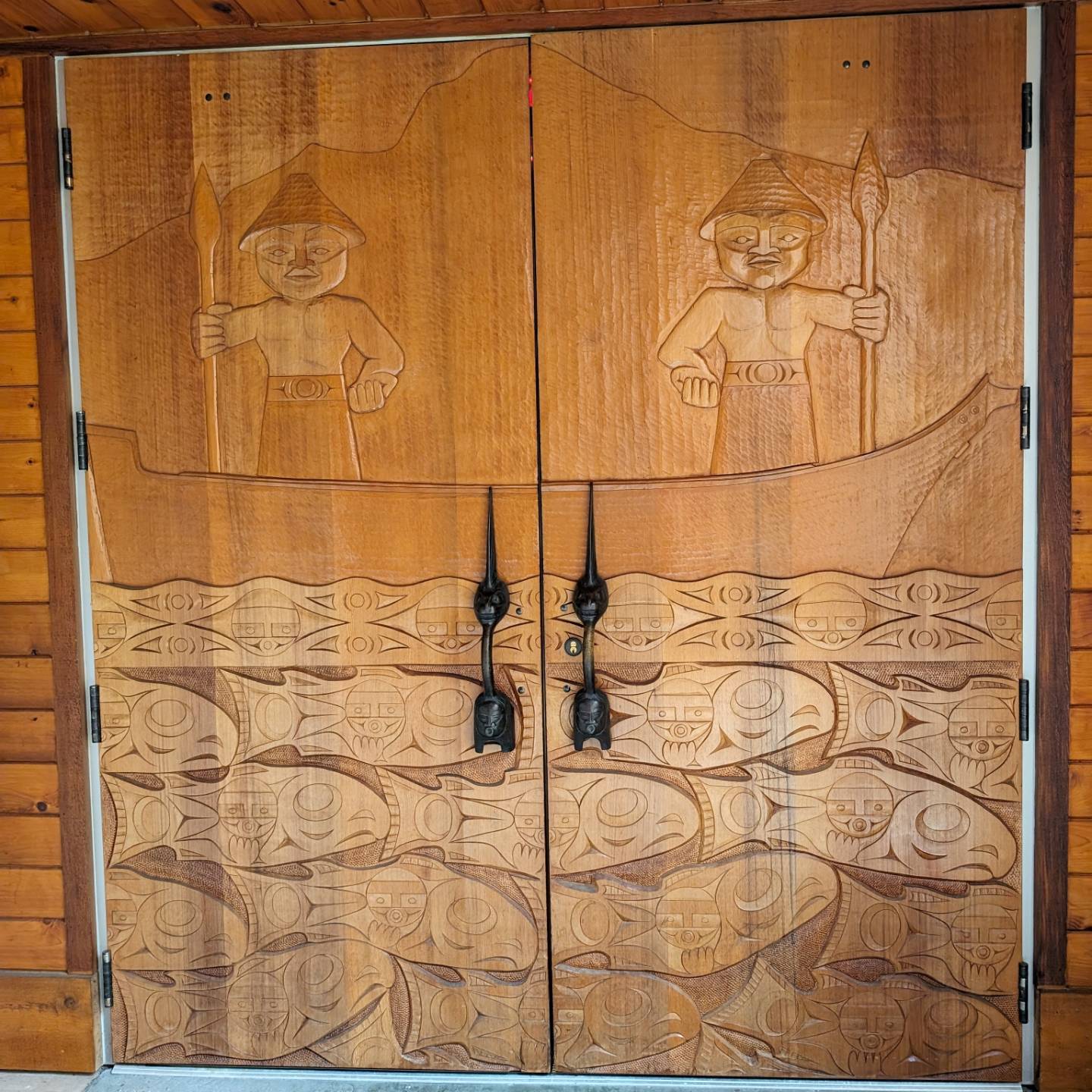
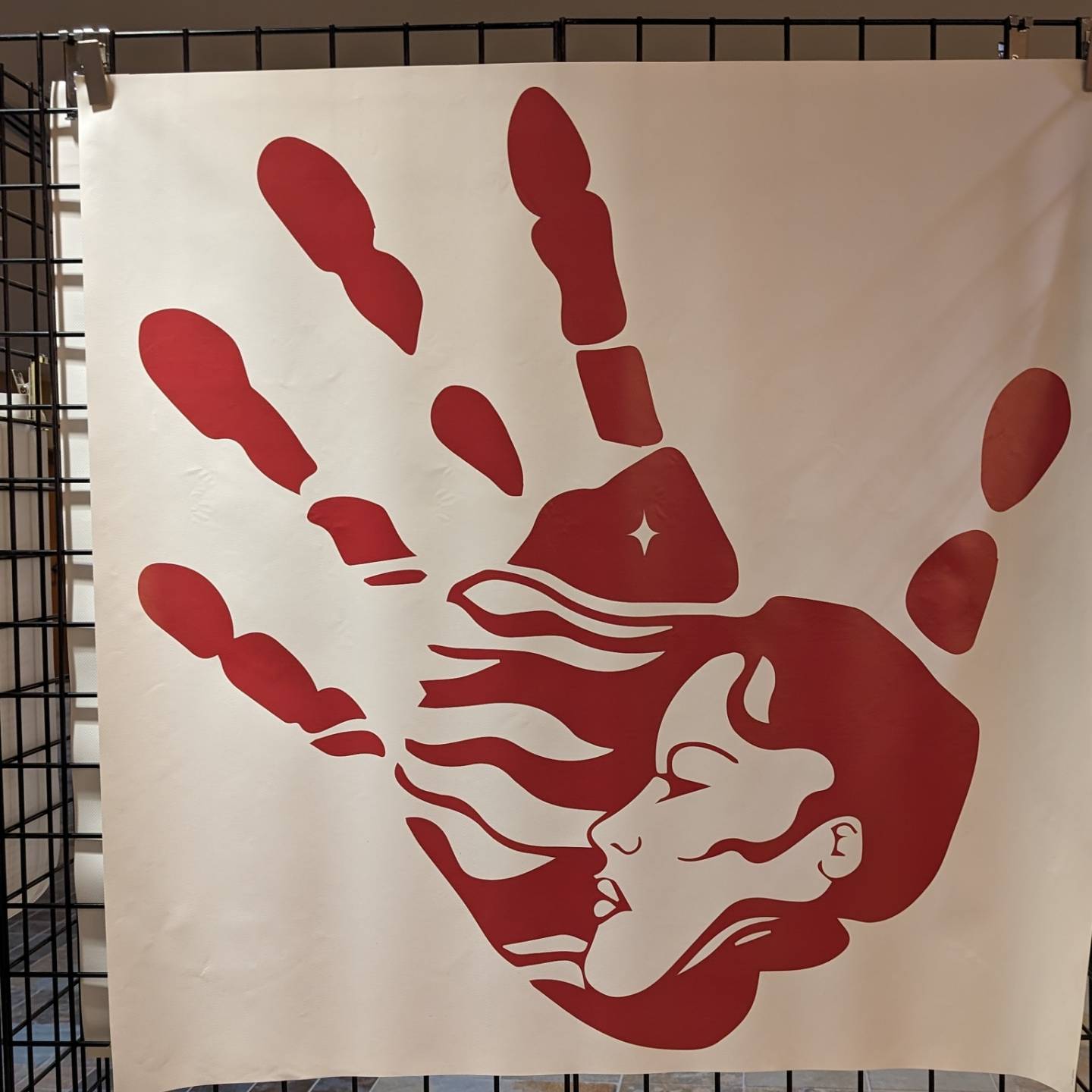
The Tulalip Hibulb Cultural Center is a complex that contains a longhouse, classrooms, exhibits, and an awesome gift shop. Its features range from a wall of Native military veterans to to an interactive cedar tree to a display on Missing and Murdered Indigenous Women, Girls, and 2-Spirits.
As I slowly traveled the long hallway that serves as the main thoroughfare for the Center, I marveled at the cedar canoes lining the way. Canoes are known as “Wolves of the Sea” amongst the Tulalip Tribes, and the ocean-going canoe in particular looked like it could take on the mightiest of swells.
For me the true highlight of this visit was the Center’s current rotating exhibit. It’s called “Tabtabɘb: Traditional Languages of the Coast Salish People“–and it was beautiful. Large storyboards telling the tales of the individual Klallam, Twana, Nooksack, Northern Straits, Northern Lushootseed, and Southern Lushootseed languages abounded, but the true heroes of this exhibition for me were the interactive kiosks one can use to discover the pronunciations of some basic words in Lushootseed.
“Basket,” “paddle,” and “canoe” were some of my favorite words, and I found myself joyfully pressing “basket” over and over again so the sound of this never-forgotten language could ring out around the room.
Being an independent contractor and online grad student is lonely at times–there is a lot of time spent by myself. Thus when I looked over at one of the walls of the exhibit and saw the framed face of Vi Hilbert, my heart brightened. Vi was a “Language Warrior,” as those who fight for the preservation of Native languages are known at the Center, and I browsed her papers at the University of Washington Archives a couple of years ago.

Looking at Vi with her outstretched arms, face bright and open, I experienced a sense of camaraderie and wonder. Language Warriors like Vi rescued their tribal languages from death by boarding schools–creating written guides, obtaining oral histories from elders, and putting on Language Camps where traditional tales like The Story of the Salmon People are told.
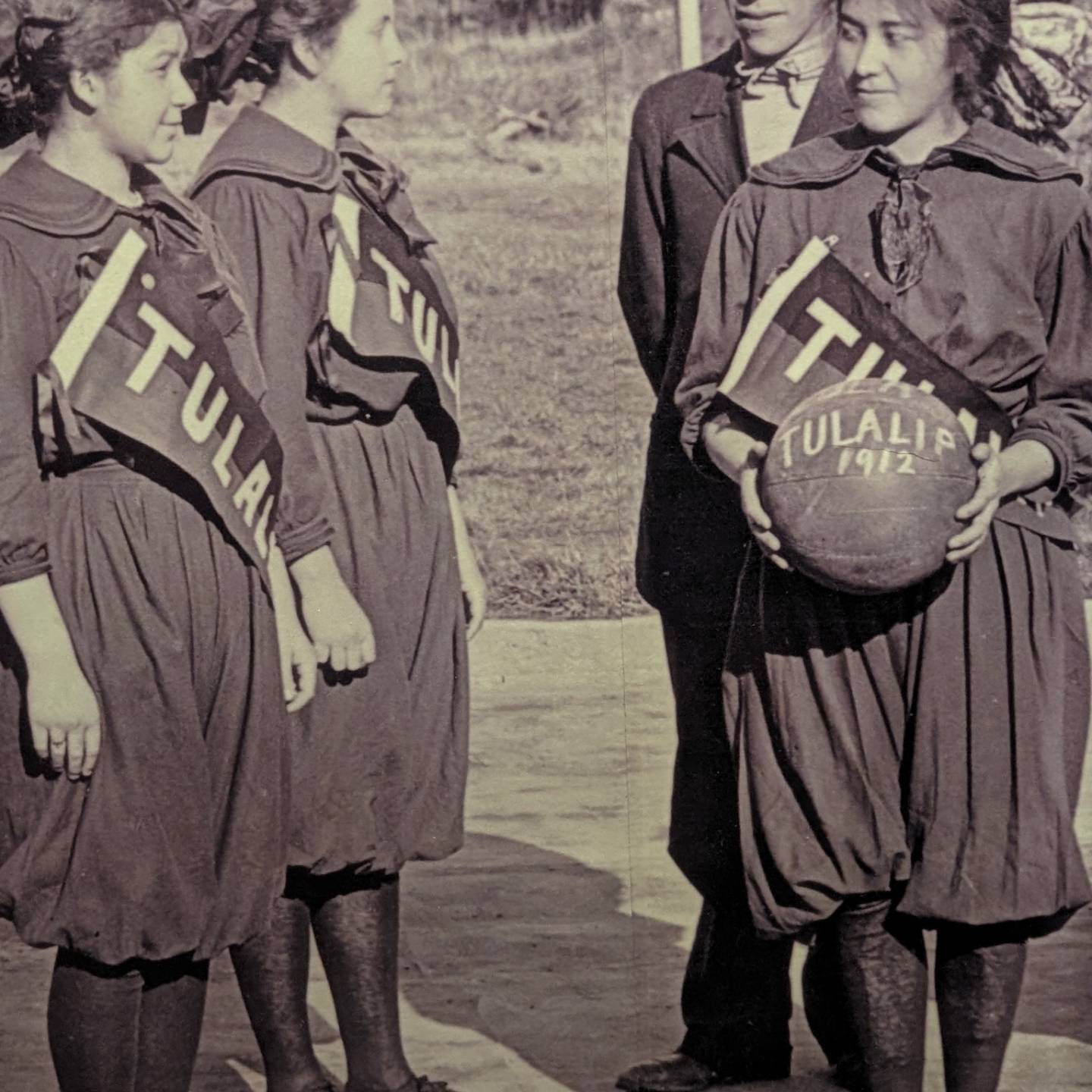
Grad school starts up again this week; I’m nervous. It’s a compressed summer term and it’ll be my first time back to classes since I had to take medical leave. Going to the Tulalip Hibulb Cultural Center got me back in touch with why I’m studying to be an archivist in the first place–to help preserve and protect cultural heritage, particularly that of Native Peoples. Although I know that as a white person the Center’s resources are not aimed at helping me, I got so much out of going and I’m grateful.
If you’re in the Seattle area I highly recommend swimming like a salmon up the I-5 corridor and walking through the Center’s doors. Who knows what will touch your heart?
 Superheroine Solutions